

Online shopping has turned into a strange game of code hunting. Before buying almost anything, people now pause to search for promo codes, student discounts, influencer links, cashback offers, or hidden coupons that may or may not work. The problem is that most coupon codes online are expired, fake, or tied to confusing restrictions.
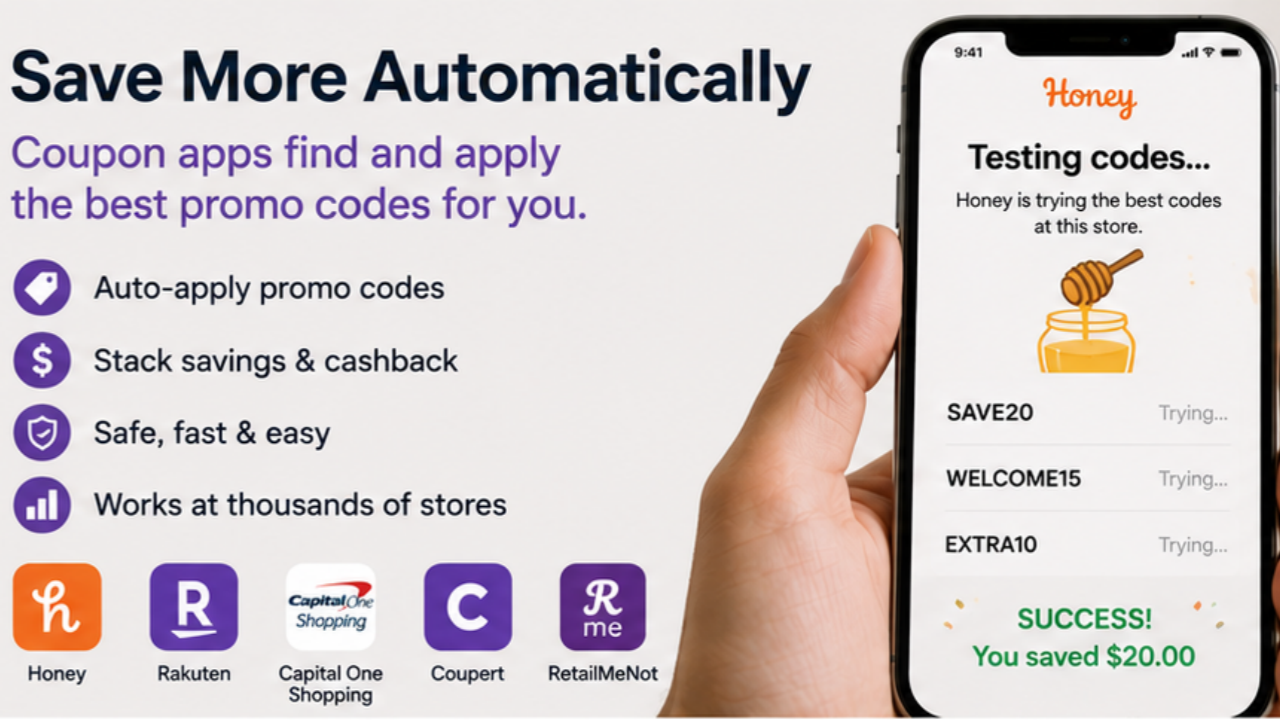
That frustration is exactly why automatic coupon apps exploded in popularity. Instead of manually testing random codes from sketchy websites, these apps automatically scan available promo codes and apply the best one during checkout.
When we tested the most popular coupon and promo-code tools this year, we focused on one thing above all else: whether the apps actually saved money consistently in real shopping situations.
We tested them across clothing retailers, food delivery apps, electronics stores, travel bookings, and subscription services. We also looked closely at:
* Promo-code success rates
* Ease of use on mobile
* Intrusive ads or upsells
* Cashback reliability
* Privacy concerns
* Whether the apps slowed down checkout
Here are the apps that genuinely stood out in 2026.
---
Availability: App Store and Google Play
Pricing: Free.
The Reality Check
Honey remains the most recognizable automatic coupon tool on the market, and during testing, it still delivered some of the most consistent promo-code results across major retailers.
The core feature is simple: when users reach checkout, Honey automatically tests available coupon codes and applies the one that produces the largest discount.
What impressed us most was convenience. On supported stores, the process feels almost invisible. Instead of manually copying and pasting codes from coupon websites, Honey handles everything in the background within seconds.
The app also includes price tracking and a rewards system called PayPal Rewards, which can generate additional cashback on qualifying purchases.
That said, Honey works much better with large mainstream retailers than smaller niche stores. During testing, it occasionally failed to find valid discounts on boutique websites where competitors sometimes succeeded.
Pros
* Extremely easy to use
* Automatic coupon testing works smoothly
* Strong support for major retailers
* Helpful price-drop tracking
* Completely free
Cons
* Coupon success rates vary heavily by retailer
* Limited results on smaller online stores
* Cashback rewards can feel inconsistent
---
Availability: App Store and Google Play
Pricing: Free.
The Reality Check
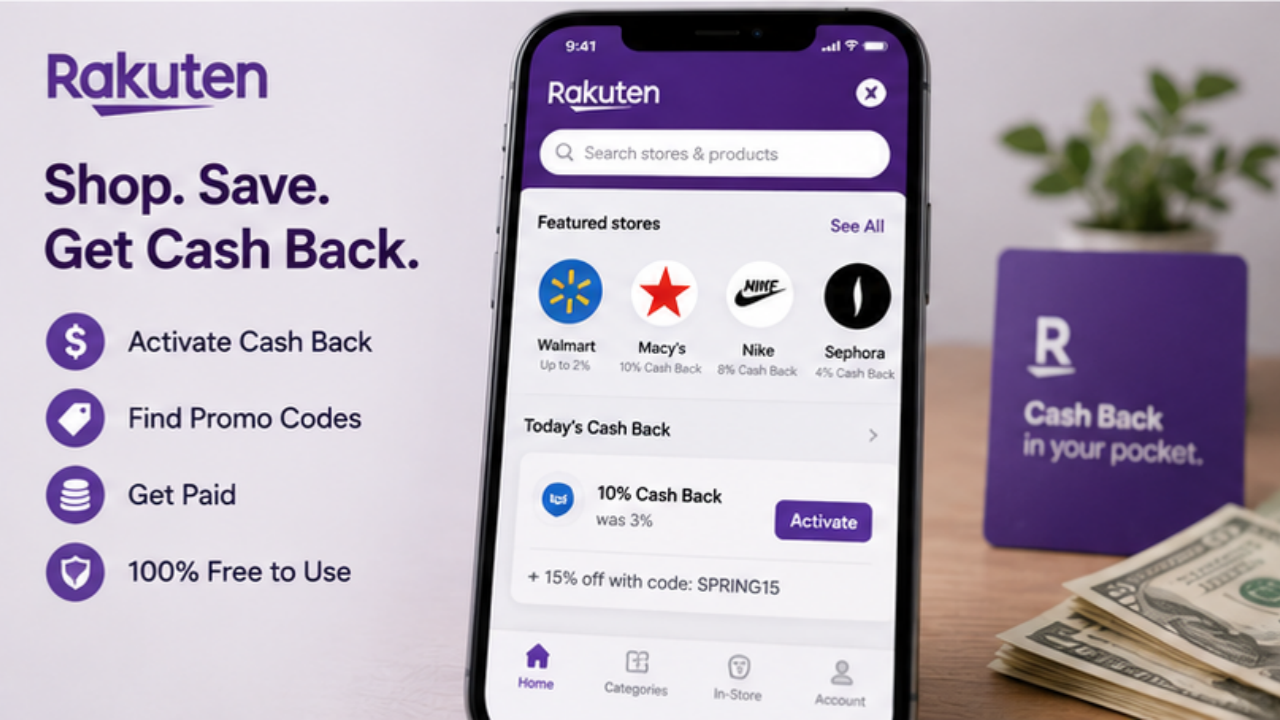
Rakuten is technically more famous for cashback than coupon automation, but during testing it consistently combined both features better than most competitors.
The app automatically activates cashback offers at thousands of retailers while also surfacing promo codes during checkout. On several purchases, Rakuten stacked coupon savings with cashback rewards, producing larger discounts than coupon-only apps.
Where Rakuten shines is reliability. Cashback tracking worked consistently during testing, and payments arrived on schedule without much hassle.
The downside is that Rakuten feels slightly less automated than Honey. Users still need to activate offers before shopping at many stores, which adds a small amount of friction.
Pros
* Excellent cashback ecosystem
* Large retailer network
* Reliable payout history
* Combines cashback with promo codes
* Completely free
Cons
* Requires more manual activation
* Coupon automation is weaker than Honey
* Interface can feel cluttered
---
Availability: App Store and Google Play
Pricing: Free.
The Reality Check
Capital One Shopping quietly became one of the strongest coupon-testing apps available, even for people who do not use Capital One credit cards.
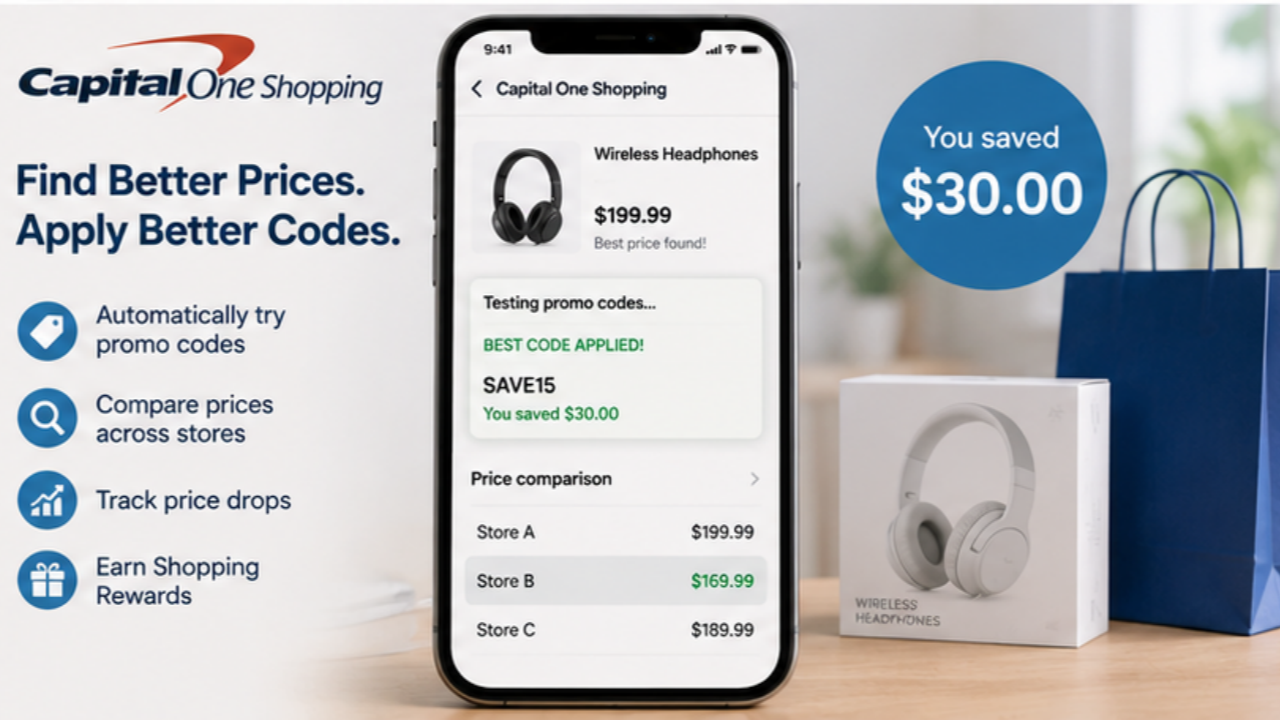
During testing, its automatic coupon search was surprisingly aggressive. On some retail sites, it surfaced working discounts that Honey completely missed.
The app also includes price comparison tools that scan other retailers for lower prices while shopping. That feature ended up being more useful than expected, especially for electronics and home products.
One thing we appreciated was transparency. Instead of constantly pushing flashy “limited-time deals,” the app focused more on practical savings and price history.
The tradeoff is that rewards are typically issued as shopping credits instead of straightforward cash.
Pros
* Excellent promo-code detection
* Strong price comparison features
* Works well on large retail sites
* Completely free
* No Capital One card required
Cons
* Rewards system can feel restrictive
* Some users may dislike retailer-focused recommendations
* Mobile experience occasionally feels slower than desktop
---
Availability: App Store and Google Play
Pricing: Free.
The Reality Check
Coupert feels like a more aggressive version of Honey. During testing, it searched a massive volume of coupon codes and frequently attempted multiple combinations during checkout.
On some stores, this produced genuinely impressive savings. It occasionally uncovered working codes that bigger apps missed entirely.
Coupert also combines cashback rewards, automatic coupons, and price comparisons inside one platform, which makes it surprisingly competitive for bargain-heavy shoppers.
However, the experience can feel slightly more intrusive than cleaner apps like Honey or Rakuten. Notifications and promotional prompts appeared more frequently during testing.
Pros
* Strong coupon-testing engine
* Good success rates on lesser-known retailers
* Cashback included
* Completely free
Cons
* More aggressive notifications
* Interface feels less polished
* Some deals can appear overly promotional
---
Availability: App Store and Google Play
Pricing: Free.
The Reality Check
RetailMeNot has been around longer than most coupon apps, and it still remains useful largely because of its enormous coupon database.
The app combines promo codes, cashback offers, restaurant discounts, and local deals into one platform. During testing, it performed particularly well for food delivery, clothing retailers, and quick local savings.
Unlike some newer apps, RetailMeNot relies more heavily on searchable coupon discovery than full automation. That means users sometimes need to choose codes manually instead of letting the app test everything automatically.
Still, for shoppers who want broad deal coverage rather than pure checkout automation, it remains surprisingly useful.
Pros
* Huge coupon database
* Strong local and restaurant deals
* Good mobile app experience
* Completely free
Cons
* Less automated than competitors
* Some expired codes still appear
* Coupon quality varies widely by retailer
---
For most shoppers looking for the easiest fully automatic promo-code experience, Honey remains the strongest overall choice in 2026.
Its checkout automation is still among the smoothest available, and it consistently works well across major online retailers without requiring much effort from users. While competitors like Capital One Shopping occasionally uncover better discounts, Honey delivers the best balance of simplicity, speed, and reliability for everyday shopping.
For users who care equally about cashback rewards and coupon stacking, Rakuten is an extremely close second.