

For many introverts, small talk is not just uncomfortable — it is mentally exhausting.
The pressure of starting conversations, avoiding awkward silences, and thinking of interesting responses in real time can make networking events, first dates, office meetings, and even casual social gatherings feel stressful before they even begin.
That is exactly why conversation coaching and communication practice apps have grown rapidly over the past few years.
The best apps do much more than generate random icebreaker questions. Some provide structured conversation prompts, roleplay simulations, AI-powered speaking practice, confidence coaching, and real-time communication exercises designed specifically to help socially anxious or introverted users become more comfortable in everyday conversations.
But after testing the major communication and conversation practice apps currently available on the US Apple App Store and Google Play Store in 2026, one thing became obvious very quickly: many apps claim to improve social confidence, but only a handful actually help users practice realistic small talk in a way that feels useful instead of gimmicky.
For this guide, the testing focused specifically on apps that could realistically help introverts become more comfortable initiating and maintaining casual conversations.
The evaluation criteria included:
Quality of conversation prompts
Real-world usefulness
Ease of practice for introverts
AI conversation realism
Pricing transparency
Long-term usability
Overall comfort and accessibility
These were the apps that genuinely stood out.
SmallTalk2Me was one of the few apps tested that genuinely felt designed around improving conversational confidence rather than simply entertaining users with random prompts.
The app uses AI-powered speaking simulations to help users practice introductions, workplace conversations, networking scenarios, and everyday small talk. During testing, the interview-style conversation practice was especially effective because it forced users to respond out loud instead of mentally rehearsing conversations silently.
What makes the app particularly useful for introverts is the low-pressure environment. Users can repeatedly practice the same types of conversations privately without the social stakes of real interactions.
The speech analysis tools were also surprisingly detailed. The app provides feedback on pacing, filler words, speaking clarity, and confidence indicators.
However, some AI conversations still occasionally felt robotic during testing, especially in longer exchanges.
The app offers limited free features, while premium plans operate through a subscription model with monthly and annual pricing tiers.
Excellent realistic conversation practice
Helpful speaking analysis tools
Good for workplace and networking anxiety
Low-pressure practice environment
Modern interface
AI conversations can still feel artificial
Subscription required for advanced features
Better for speaking practice than emotional connection
Orai approaches communication improvement from a public speaking and speech coaching angle, but during testing, it turned out to be surprisingly effective for small talk improvement as well.
The app encourages users to practice speaking aloud while analyzing pacing, clarity, filler words, energy, and confidence. Unlike many communication apps that focus purely on text prompts, Orai actively trains verbal delivery.
For introverts who struggle less with “what to say” and more with how they sound while speaking, this distinction matters a lot.
The conversation exercises felt especially useful for practicing introductions, casual storytelling, and short social interactions before real-world situations.
The app also gamifies progress with coaching sessions, streaks, and speaking challenges, which helped maintain consistency during testing.
However, Orai is not specifically designed around small talk. Users looking for deep conversation simulations or relationship-building exercises may find it somewhat limited.
The app offers a free trial, while premium access requires a subscription that typically ranges around $9.99 to $14.99 monthly depending on plan length.
Excellent speech delivery coaching
Strong filler-word analysis
Helpful confidence-building exercises
Clean and beginner-friendly design
Great for practicing verbal flow
Less focused on actual conversation structure
Subscription pricing can feel expensive
Better for speaking skills than social strategy
Although Improve English is technically positioned as a language-learning and speaking app, it turned out to be unexpectedly useful for introverts practicing conversation flow.
The app includes speaking prompts, daily conversation topics, interactive dialogue exercises, and confidence-building speaking activities that work well even for native English speakers trying to become more socially comfortable.
During testing, the guided topic prompts felt particularly useful because they helped users practice responding spontaneously to common social questions rather than memorizing scripted lines.
The structured nature of the exercises also reduced conversational pressure. For introverts who feel overwhelmed by open-ended social situations, having guided conversational frameworks can make practice feel far more manageable.
However, the app’s interface occasionally felt cluttered because it attempts to combine grammar learning, vocabulary building, and conversation practice inside one ecosystem.
The free version includes many usable features, while premium upgrades remove ads and unlock advanced exercises through subscription plans.
Strong guided conversation prompts
Helpful structured speaking exercises
Good free version availability
Useful for spontaneous response practice
Beginner-friendly pacing
Interface can feel crowded
Not specifically designed for introverts
Some lessons feel repetitive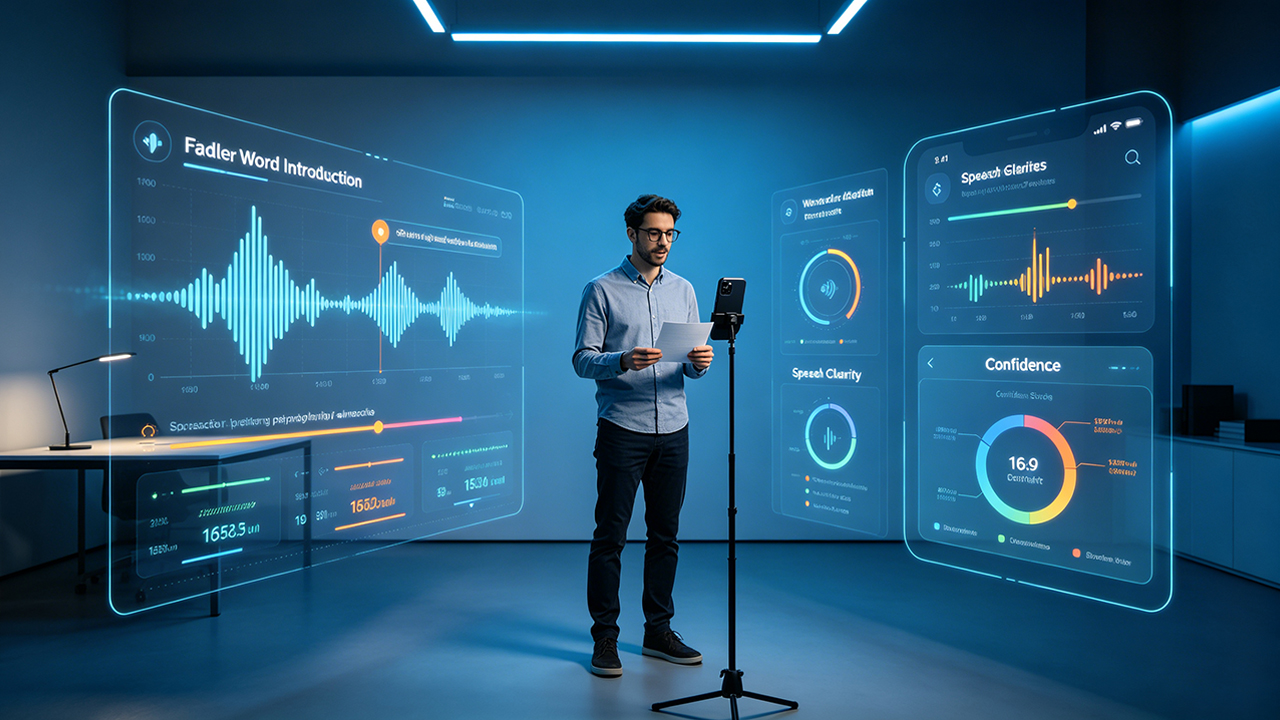
Wysa is technically a mental wellness app rather than a conversation practice platform, but during testing, it became clear why many socially anxious users rely on it before difficult social interactions.
The AI chatbot focuses heavily on emotional regulation, confidence building, and anxiety management using cognitive behavioral therapy techniques.
For introverts who struggle with small talk primarily because of anxiety rather than lack of conversational ideas, this distinction is important.
The guided exercises for managing overthinking, social fear, and conversational stress felt genuinely practical during testing. The app also includes journaling exercises, calming tools, and coaching techniques that help users mentally prepare for conversations.
However, Wysa is not a dedicated conversation practice app. Users looking for direct icebreaker generation or realistic speaking simulations may prefer SmallTalk2Me or Orai instead.
The free version includes many core features, while optional premium coaching services operate through subscriptions.
Excellent support for social anxiety
Helpful confidence-building exercises
Calm, low-pressure interface
Strong mental wellness tools
Good free version functionality
Not focused specifically on small talk
Limited speaking simulations
More therapeutic than conversational
Toastmasters is not technically a single standalone app in the same way as the others here, but its mobile tools, Pathways learning platform, and club resources remain some of the most effective communication training systems available for introverts.
During testing, what stood out most was how practical the exercises felt compared to AI-only coaching apps. Members practice impromptu speaking, introductions, storytelling, and conversational confidence in real social environments rather than isolated simulations.
The “Table Topics” exercises are especially valuable for introverts practicing spontaneous conversation skills. Participants respond to random prompts with little preparation, which directly improves conversational flexibility over time.
The biggest challenge is that Toastmasters requires real participation and social exposure. For users seeking fully private practice, the experience may initially feel intimidating.
Pricing varies by local club, but membership typically involves semiannual dues plus local chapter fees.
Excellent real-world speaking practice
Strong long-term confidence building
Helpful impromptu conversation exercises
Supportive learning environment
Proven communication system
Requires real social participation
Less convenient than app-only options
Ongoing membership costs
For introverts specifically trying to improve small talk and everyday conversational confidence, SmallTalk2Me stood out as the strongest overall option in 2026.
It consistently offered the best balance of realistic conversation practice, low-pressure repetition, speaking analysis, and accessibility during testing. Unlike many apps that simply provide random icebreaker lists, SmallTalk2Me genuinely helps users practice real conversational situations in a structured way.
That said, the best app still depends heavily on what users struggle with most:
Choose SmallTalk2Me for realistic AI conversation practice.
Choose Orai for improving speaking confidence and delivery.
Choose Improve English for structured conversational exercises.
Choose Wysa for managing social anxiety and overthinking.
Choose Toastmasters for real-world communication growth.
The biggest lesson from testing these apps is that most introverts do not actually lack interesting things to say. More often, they simply lack comfortable environments to practice saying them. The best apps quietly reduce that pressure — and that can make social interactions feel dramatically less exhausting over time.