

Walking down the grocery aisle has become an exercise in budget management. With inflation continually driving up the baseline cost of eggs, milk, and fresh produce, a standard weekly grocery run can feel like a major financial hit. Traditional paper coupon clipping is mostly a thing of the past, leaving many shoppers searching for a more efficient way to soften the blow at the register.
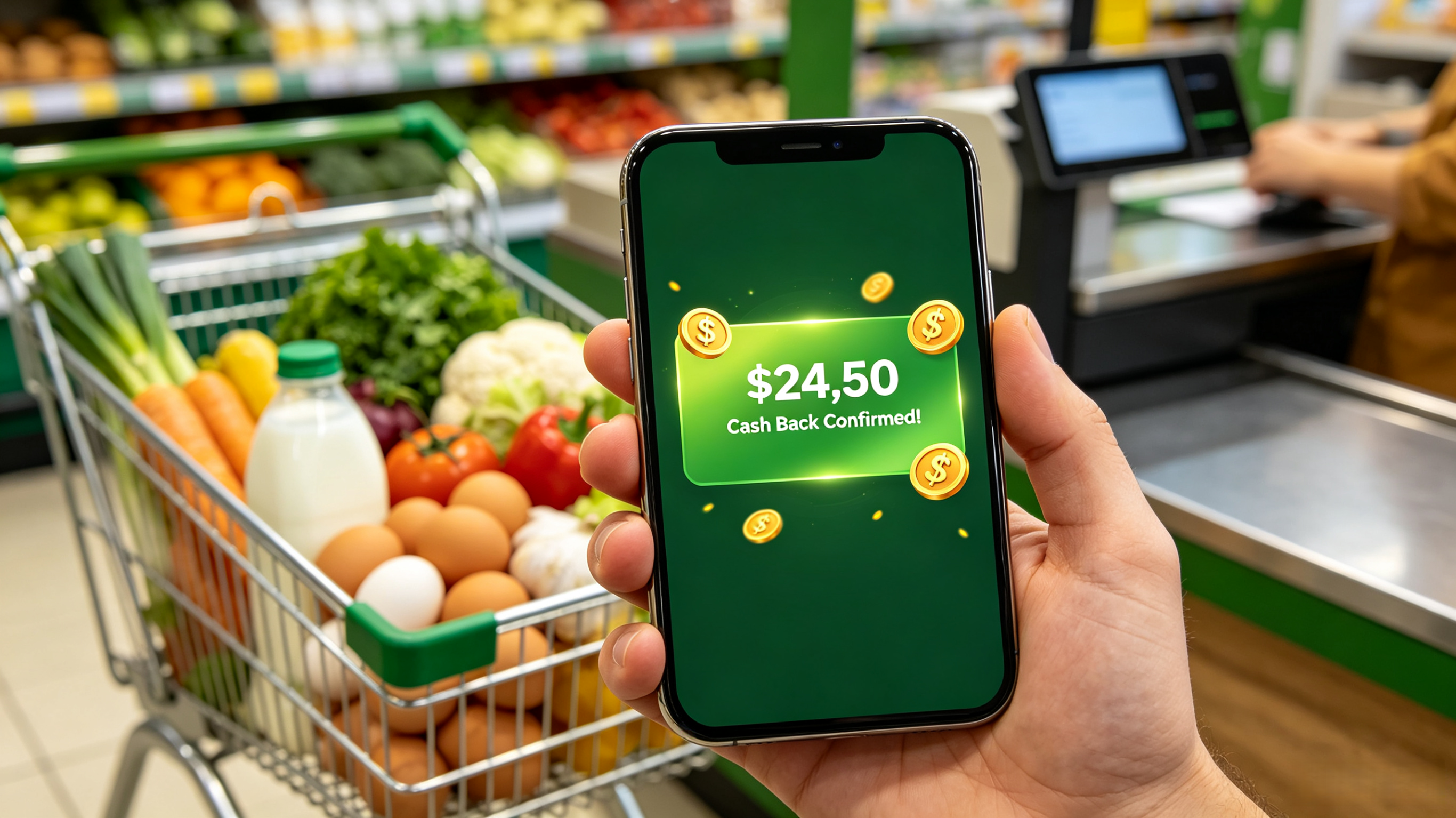
This dilemma explains why receipt-scanning and product-matching reward platforms have become a staple on millions of smartphones. Rather than altering a family's diet or forcing them to switch to discount warehouses, the right digital utility can claw back a surprising percentage of cash on items people are already buying.
To determine which platforms truly deliver the highest returns on a standard grocery bill, a variety of leading US couponing and receipt-scanning applications were thoroughly analyzed. Testing focused strictly on practical, real-world execution: the monetary value of available rebates, ease of receipt scanning, minimum cash-out thresholds, and whether the payout consists of cold, hard cash or restrictive gift cards.
The following four applications stood out as the most reliable tools for maximizing grocery savings.
* Availability: App Store and Google Play
* Pricing: Free to download and use.
Why It Stands Out
When it comes to pure earning potential on specific, name-brand grocery items, Ibotta remains an incredibly heavy hitter in the retail rebate landscape. It operates primarily on an item-specific activation model. Before heading to stores like Walmart, Target, or Kroger, users scroll through available inventory and digitally add offers to their personal list.
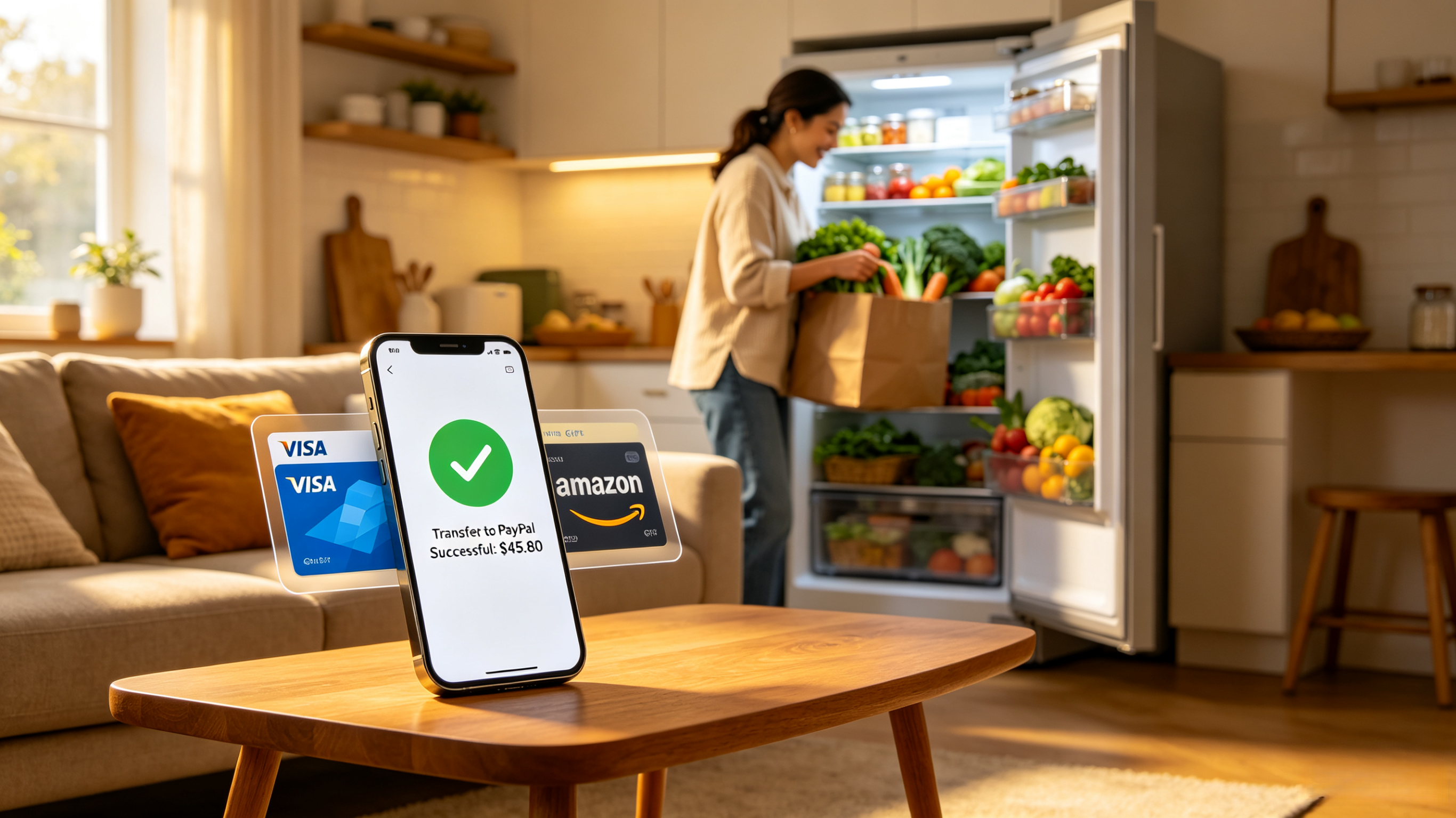
During real-world verification, testing this workflow proved highly lucrative for structured shoppers. For example, buying a specific brand of cereal or oat milk frequently yielded $1.00 to $2.00 back on a single item. Once the grocery trip is complete, uploading a photo of the receipt or linking a store loyalty card triggers an immediate deposit into the user's account balance. Crucially, Ibotta pays out in real cash via PayPal or direct bank transfer once a $20 threshold is cleared, making it superior for those who prefer actual money over gift certificates.
Pros
* Features some of the highest per-item cash payouts in the industry, often reaching several dollars per product.
* Direct cash integration via PayPal or bank transfer replaces the need for proprietary point structures.
* Seamless digital loyalty card linking at major chains eliminates manual receipt photography altogether.
Cons
* The app requires active premeditation; if a user forgets to clip the offer before shopping, they miss the rebate entirely.
* Features a strict $20 minimum payout threshold, meaning casual or low-volume shoppers may take months to cash out.
* Availability: App Store and Google Play
* Pricing: Fully free with zero subscription requirements.
Why It Stands Out
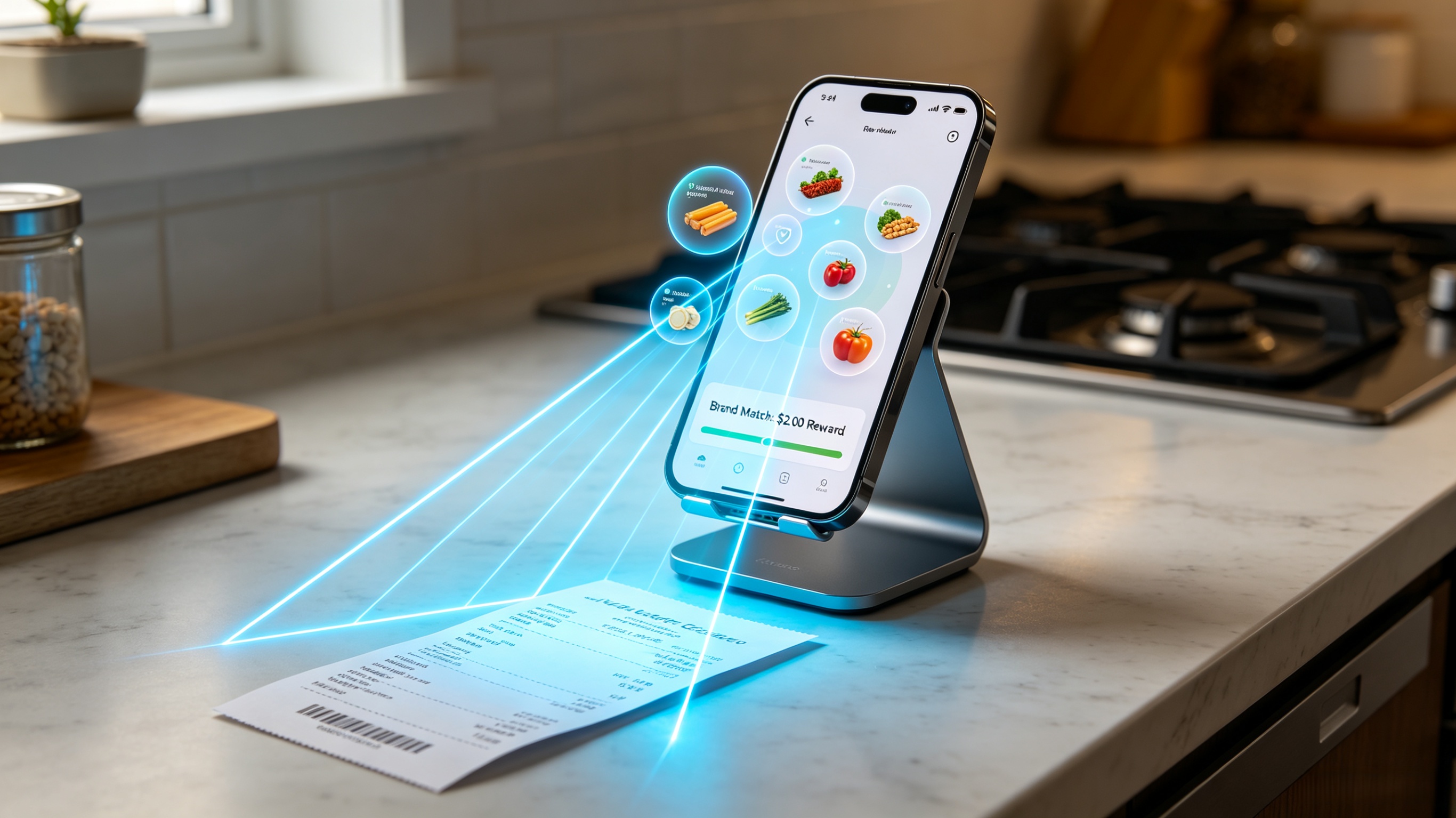
If Ibotta represents high-effort, high-reward couponing, Fetch represents ultimate convenience. The core mechanism requires absolutely no pre-shopping clipping, store selecting, or barcode scanning. Users simply point their phone camera at any physical grocery receipt, snap a picture, and instantly receive points.
During everyday testing across local supermarkets and corner bodegas, the application accepted receipts from literally any business that sells food or household items. Every single uploaded receipt grants a baseline point reward. However, the true points multiplier occurs when the app automatically scans the text of the receipt for partner brands (like PepsiCo, Kraft, or Unilever) and awards massive point bonuses without any prior activation. Points are eventually redeemed for a vast selection of gift cards, including Visa cash cards, Amazon, and Target.
Pros
* Unmatched ease of use; users can scan an entire week's worth of mixed receipts in under two minutes.
* Accepts receipts from any retailer nationwide, including small local grocers and gas stations.
* Low minimum redemption levels, allowing users to claim small $3 to $5 gift cards relatively quickly.
Cons
* The proprietary points system can feel intentionally obscure compared to a direct dollar-and-cent balance sheet.
* Base point values are relatively low if the household does not explicitly purchase brand-name items featured on Fetch's master partner list.
* Availability: App Store and Google Play
* Pricing: Free to download and operate.
Why It Stands Out
Upside is widely recognized as an application for saving money at the gas pump, but its expanding grocery module has quietly turned it into a powerhouse for specific regional supermarkets. Unlike receipt-scanning apps that track what individual products are inside a shopping cart, Upside gives users a percentage-based cash-back rebate on their entire total bill.
When tested in major metropolitan markets, the app map displayed participating local grocery stores offering flat cash-back incentives ranging anywhere from 7% to 15% off the total checkout price. A shopper simply opens the map, claims the offer at their chosen supermarket, and pays with their standard credit or debit card. Upside verifies the transaction with the merchant digitally or via a quick receipt upload, sending cold cash straight to the user's bank account or PayPal. Because it operates on the total dollar amount, it can easily save a shopper $10 to $20 on a single massive weekly haul.
Pros
* Payouts are based on the entire grocery transaction total rather than requiring specific brand loyalty.
* Yields remarkably high lump-sum savings on massive, multi-hundred-dollar family grocery bills.
* Features direct cash-out capabilities to bank routing or PayPal accounts.
Cons
* Supermarket availability is highly regionalized; while some cities feature massive chain participation, other areas are limited strictly to gas stations.
* Requires users to actively "claim" the offer within a strict time window before executing the transaction.
* Availability: App Store and Google Play
* Pricing: Free mobile download.
Why It Stands Out
Checkout 51 functions similarly to Ibotta but serves as an excellent secondary tool for maximizing baseline grocery savings due to its unique item independence. Every Thursday morning, the application updates its master list with fresh cash-back offers on everyday produce, dairy, and household essentials.
What makes Checkout 51 effective during real-world shopping is that many of its baseline offers are store-agnostic. For instance, if the app offers $0.50 back on a gallon of milk or a bunch of bananas, the user can purchase those items at a premium supermarket, a local organic co-op, or a discount store, and still claim the reward. Once a user photographs their proof of purchase, the cash accumulates toward a $20 check or electronic transfer limit.
Pros
* Store flexibility allows users to buy fresh produce anywhere and still collect the cash incentive.
* The app interface is straightforward, clean, and completely lacks overwhelming gamified point elements.
* Regularly features offers on staple whole foods (carrots, onions, bread) rather than solely processed snacks.
Cons
* The selection of weekly offers is noticeably smaller and more limited than Ibotta's massive database.
* Popular weekly item offers have a collective capped limit and can run out completely if a user waits until Sunday to upload their receipt.
The absolute best application for extracting the highest return on weekly groceries depends entirely on individual shopping behavior.
For the organized planner who sits down with a weekly shopping list, Ibotta remains the reigning champion. Its unparalleled volume of high-value, item-specific rebates provides the fastest route to accumulating raw, spendable cash.
However, for households that prioritize time efficiency and buy generic or organic items, stacking Fetch alongside Upside provides an effortless, high-yield alternative. Fetch will silently harvest points on any brand names present on the receipt, while Upside strips up to 15% off the entire checkout value of the bill—requiring nothing more than a quick camera snap before packing up the car.