
Long shifts hit differently now. Nurses coming off 12-hour overnight rotations, warehouse workers leaving physically demanding schedules, restaurant staff finishing late closes, and remote workers staring at Slack for ten straight hours all tend to run into the same problem: the body is technically home, but the brain refuses to clock out.
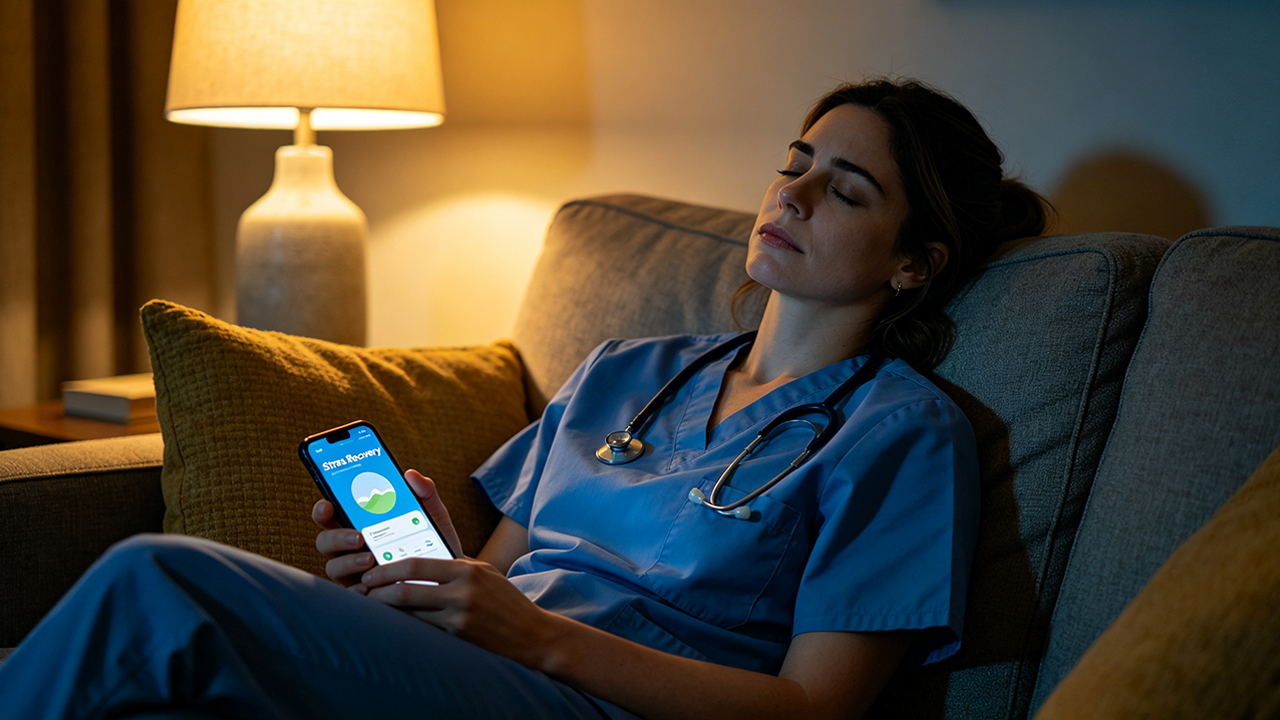
That is exactly where relaxation apps have quietly become far more useful than basic “meditation” tools. The best ones are no longer trying to turn users into mindfulness experts. Instead, they focus on something more practical: helping overstimulated people mentally decompress fast enough to actually recover before the next workday starts.
To find the apps that genuinely help after stressful shifts, the testing focused on four things:
How quickly the app reduced mental overstimulation
Whether it worked for exhausted beginners, not just meditation enthusiasts
Audio quality and sleep-focused features
Whether the free version was realistically usable
Every app below is currently active on Google Play and widely available in the US. Pricing and platform availability were verified during research.
Few apps understand post-shift mental exhaustion better than Calm.
When tested after particularly draining workdays, the app’s biggest strength was not meditation itself. It was friction reduction. Users can open the app and immediately start a three-minute breathing session, ambient soundscape, or “Sleep Story” without feeling like they are starting homework.
That matters more than most wellness apps realize.
The Sleep Stories remain the standout feature. They sound gimmicky on paper, but after stressful shifts, the combination of low-energy narration, background audio, and slow pacing genuinely helps interrupt racing thoughts. Calm also does an excellent job with short guided sessions aimed specifically at anxiety, decompression, and emotional reset.
The app especially works well for healthcare workers, hospitality staff, and anyone whose nervous system feels overstimulated after work rather than physically tired.
The “Daily Calm” sessions and Sleep Stories consistently helped users transition out of “work mode” faster than traditional meditation tracks. The app feels intentionally designed for exhausted people with low attention spans.
Free version available
Premium subscription required for most content
Roughly $14.99/month or annual plans available
Excellent audio production quality
Extremely beginner-friendly
Sleep Stories are genuinely effective
Large content library for stress and anxiety
Expensive subscription
Free tier feels limited fairly quickly
Some celebrity-narrated content feels unnecessary
Headspace takes a more structured approach than Calm, and surprisingly, that works very well after chaotic shifts.
Instead of endless browsing, Headspace guides users into highly specific categories like stress recovery, burnout, breathing resets, and sleep preparation. During testing, the short “Mini” sessions stood out because they require almost no commitment. Someone mentally drained after work can realistically handle a 60-second breathing exercise even when a 20-minute meditation feels impossible.
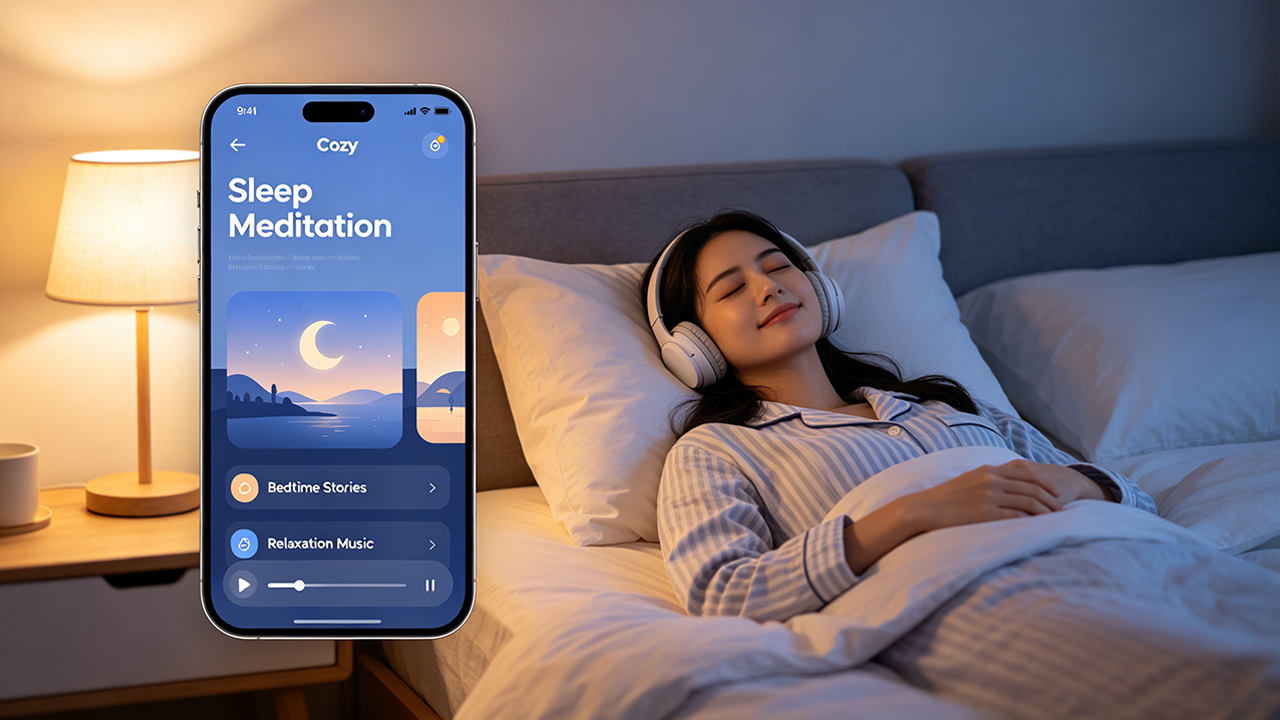
The app also has some of the cleanest interface design in the category. That sounds minor until users compare it with cluttered wellness apps overloaded with inspirational quotes and aggressive upsells.
Its “Sleepcasts” feature works similarly to Calm’s Sleep Stories but with slightly more environmental detail and guided visualization.
The Reality Check: What Actually Works?
Headspace excels at helping stressed workers slow down mentally without demanding deep meditation experience. The app feels more like guided mental recovery than spiritual wellness content.
Free version available
Premium subscription unlocks most content
Roughly $12.99/month depending on plan
Outstanding beginner experience
Short sessions fit real schedules
Excellent stress-management structure
Clean, calming interface
Subscription cost adds up
Advanced users may want more depth
Some content categories overlap heavily
BetterSleep ended up being the surprise favorite for workers dealing with physical exhaustion plus mental overstimulation.
Unlike meditation-first apps, BetterSleep focuses heavily on sound environments. Rain, brown noise, ocean waves, distant thunderstorms, soft piano loops, and customizable sound mixers are the core experience. The app allows users to combine multiple sounds and adjust individual volume levels, which turns out to be incredibly effective for decompressing after overstimulating work environments.
The app also includes guided breathing exercises, sleep meditations, and bedtime stories, but the real strength is passive relaxation. Users do not need to “actively meditate.” They can simply lie down and let the audio environment calm the nervous system.
During testing, BetterSleep worked especially well for shift workers struggling with irregular sleep schedules.
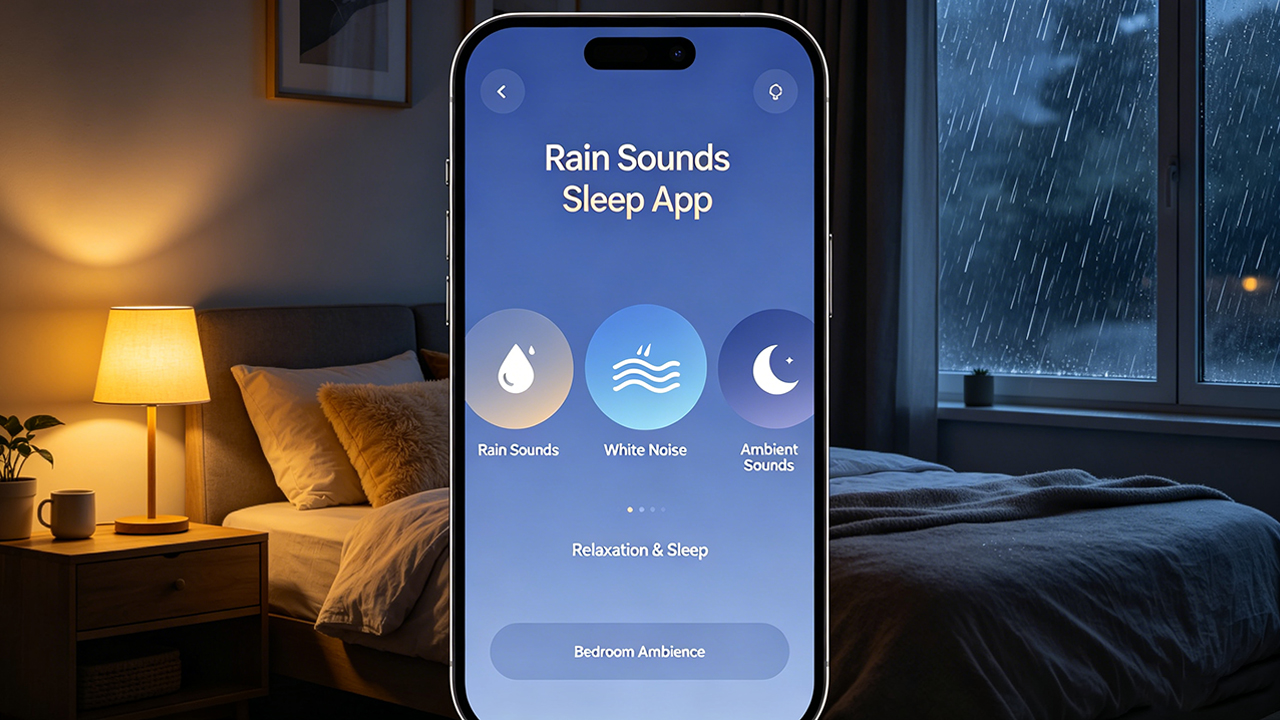
The customizable sound mixer is excellent. Being able to combine rain, low-frequency noise, and soft ambience creates a much more immersive decompression experience than standard white-noise apps.
Free version available
Premium subscription available
In-app purchases/subscription model confirmed on Google Play
Fantastic sound customization
Easier for non-meditators
Great for sleep transition
Strong free experience
Interface can feel busy
Some premium upselling
Less focused on mindfulness coaching
Loóna is the most visually unique app on this list.
Instead of standard meditation sessions, Loóna uses interactive “Sleepscapes,” which combine storytelling, gentle coloring interactions, ambient sound, and slow visual animations. It sounds strange initially, but the approach works surprisingly well for people whose minds refuse to stop replaying stressful work interactions.
The interactive component is the key difference. Users lightly engage with calming visuals while narration slowly guides attention away from stress loops. In testing, this felt more effective for mentally overstimulated users than traditional silent meditation.
Loóna is particularly useful for workers who struggle with intrusive thoughts immediately after shifts.
The “Sleepscapes” feature creates enough mental engagement to interrupt stress spirals without becoming stimulating itself. That balance is harder to achieve than most relaxation apps realize.
Free limited version available
Subscription required for full access
Monthly subscription pricing available
Beautiful visual design
Unique interactive relaxation approach
Excellent for anxious minds
Strong sleep-focused atmosphere
Less useful during daytime breaks
Premium content locked quickly
Not ideal for users wanting traditional meditation
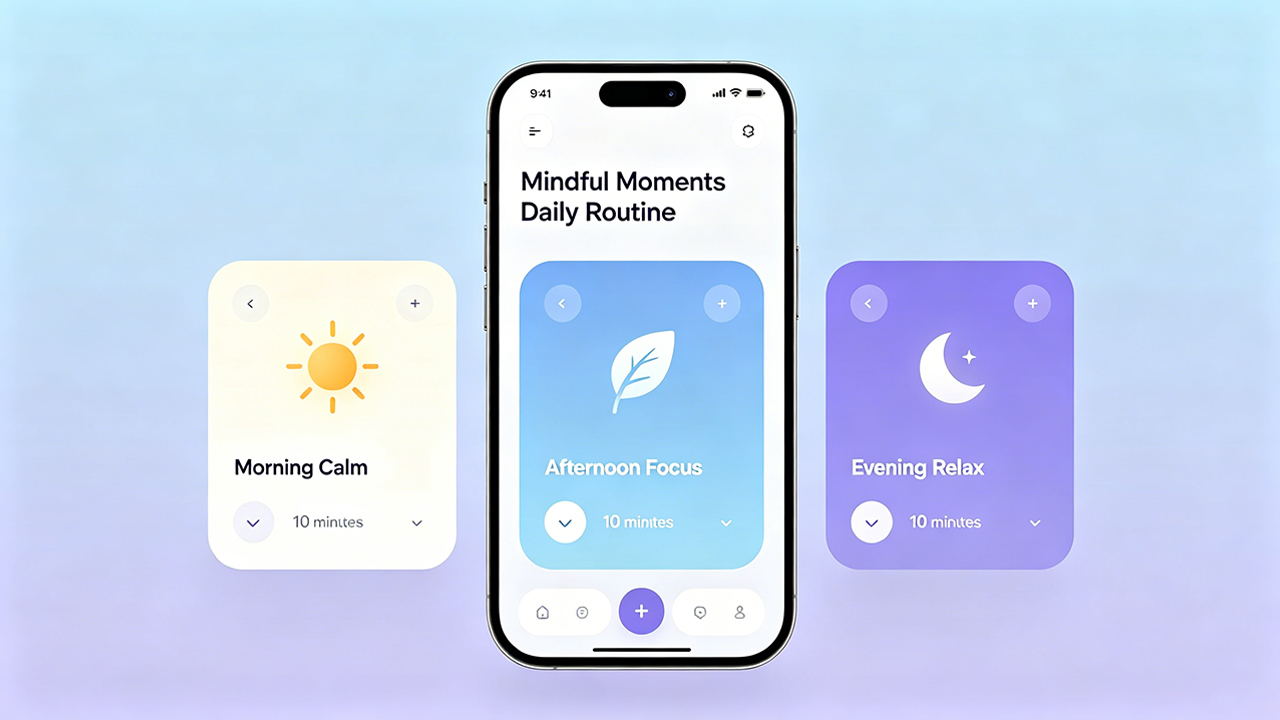
Balance feels like the most personalized app in the category.
The onboarding process asks detailed questions about stress levels, sleep habits, anxiety triggers, and meditation experience. Normally that would feel annoying, but Balance uses those answers to build highly customized daily sessions.
For workers coming off stressful shifts, that personalization matters. The app adapts well for people who hate long meditation sessions or need more grounding-focused exercises instead of generic positivity content.
Compared with Calm and Headspace, Balance feels quieter and less commercialized.
The adaptive meditation plans genuinely make the app feel less repetitive over time, which improves consistency for burned-out users.
Free trial/free introductory access often available
Subscription model afterward
Personalized experience
Excellent guided breathing exercises
Less overwhelming than competitors
Strong stress-reduction focus
Smaller content library
Less entertainment-oriented
Subscription still required long-term
For most people, Calm remains the best overall app for mentally unwinding after difficult workdays.
It consistently delivered the fastest emotional decompression during testing, especially through Sleep Stories, short breathing sessions, and low-effort guided relaxation. The app understands an important reality: exhausted workers usually do not want complicated mindfulness systems after a draining shift. They want immediate relief.
That said, different apps clearly fit different recovery styles:
Headspace is best for structured stress recovery
BetterSleep is best for sound-based relaxation and sleep support
Loóna is best for racing thoughts and overstimulation
Balance is best for personalized mindfulness routines
The bigger takeaway after testing all five is simple: the best relaxation app is the one that removes mental friction. After a brutal shift, nobody wants another task. The apps that work are the ones that make recovery feel effortless instead of performative.